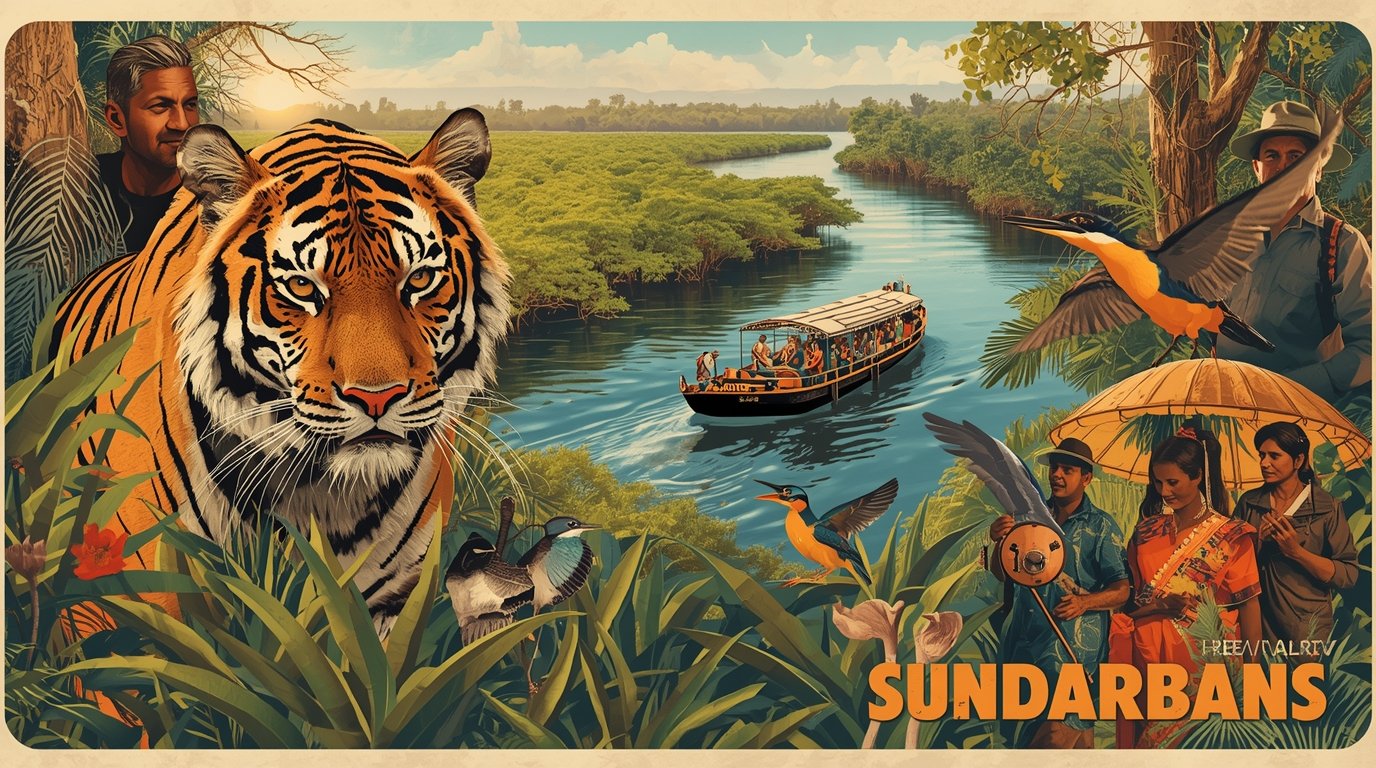
The Sundarbans is where rivers breathe, forests walk, and silence has a soundtrack. If you’re a first-time visitor—and especially a wildlife enthusiast—this labyrinth of tide-swept mangroves will feel both otherworldly and intimate. Here are the top 10 things to do in the Sundarbans, woven into four smart themes so you can plan like a pro, cruise like a naturalist, climb for views, and connect with the people who call this estuary home.
Plan smart: best season, permits, tides, and base
For your first Sundarbans trip, timing is everything. November to February offers cool air, clear mornings, and peak birdlife—a gentle introduction with great visibility. The shoulder months (September–October and March) are greener, warmer, and quieter; you’ll sweat a bit more, but sunrises can be spectacular. Monsoon (June–August) is dramatic and beautiful, yet many routes become weather-dependent, and leeches of logistics—boats, permits, visibility—become trickier. If wildlife viewing is your top priority, winter wins; if solitude and lush frames excite you, spring and post-monsoon are refreshing bets.
Permits are straightforward when you book a licensed operator. On the Indian side, forest permits are issued at Sajnekhali; a registered guide on board is mandatory, and some watchtowers or special routes need additional permissions. Camera fees may apply, drones are prohibited without written approval, and alcohol is a strict no-go inside the reserve. Keep a couple of ID copies handy, carry cash for incidental fees, and confirm inclusions (permits, guide, meals) with your boat operator in writing. Choosing an experienced, conservation-minded operator is itself a must-do—they’ll keep you safe, lawful, and on the best tides.
Tides are the Sundarbans’ secret calendar. Narrow creeks often need a rising or high tide for access; at low tide, banks turn to mudflats that attract deer, birds, and sometimes crocs and big cats. Many first-timers plan a rising tide for creek exploration, then aim to be near watchtowers around low tide for bankside sightings. As for your base, Godkhali is the main gateway from Kolkata, with popular stays on Pakhiralay, Dayapur, Bali, and Satjelia islands; Jharkhali is an emerging entry point with good access to the eastern sectors. Choose a base close to your targeted watchtowers to reduce boat commute and maximize dawn magic.
Sunrise creek cruise: birds, dolphins, serenity
Set your alarm. A pre-dawn start is one of the Sundarbans’ top must-dos, and the reason is simple: wildlife stirs early, winds are gentler, and the water mirrors a sky that’s just beginning to glow. Glide into narrow creeks where mangrove roots lace the banks and the fog lifts like theater curtains. Bring binoculars (8x or 10x), a telephoto lens if you shoot, and warm layers for winter mornings. Sip hot tea, dial down your chatter, and let the forest speak.
Watch for a festival of birds: five kinds of kingfishers in a single morning is not unusual—collared, black-capped, common, pied, and stork-billed often headline. Winter migrants like whimbrels, sandpipers, and plovers patrol the banks; egrets and herons work the edges; and brahminy kites spiral overhead. If you’re lucky, a fishing cat may ghost along a muddy edge, and spotted deer step delicately between pneumatophores. Your guide will read the tide and tree line to find life; trust their instincts, and keep your lenses ready but your movements minimal.
Dolphins add a thrill to sunrise patrols. The estuary hosts Irrawaddy and Ganges river dolphins—best searched for in deeper channels and confluences such as stretches of the Matla, Bidya, or Saptamukhi. Scan for smooth, rolling backs and faint puffs; they appear unexpectedly and vanish just as quick. For better odds, position the boat down-current, idle the engine, and let the tide carry you—silence helps. Whether they show or not, the serene drift itself is the point: you’re learning to move at mangrove speed.
Watchtowers and canopy walks: views and safety
Watchtowers are your elevated windows into the wild. Sajnekhali is the administrative hub with an interpretation center—start here to understand mangrove ecology and the lore of Bonbibi, the forest’s guardian deity. Sudhanyakhali offers classic vistas over clearings and channels where spotted deer, wild boar, and occasionally tigers pass. Dobanki’s canopy walk is the star: a long, netted skyway that threads above the mangroves and water bodies, giving you a raptor’s perspective without disturbing the ground.
Some towers require special permits and may have seasonal closures—Netidhopani and Burirdabri fall into this “check ahead” category. If you do get access, they’re unforgettable: Burirdabri’s boardwalk and mud walk (with protective footwear) deliver a visceral feel of the mangrove edge facing Bangladesh. Your operator will align the route with tides so you’re not battling currents or missing creek windows. Patience at towers is a superpower; settle in quietly and let the forest forget you’re there.
Safety is both simple and non-negotiable. Keep limbs inside the boat—saltwater crocodiles are real, and the banks are their domain. On walkways, stick to marked paths, avoid crowding railings, and never feed wildlife. Wear closed shoes, long sleeves, and a hat; pack sunscreen, insect repellent, and a rain layer in shoulder seasons. Avoid perfumes, minimize plastic, and carry a small dry bag for electronics. Your best “equipment” is silence, time, and respect.
Meet locals: eco-stays, honey stories, respectful visits
The Sundarbans is as much about people as it is about wildlife. Choose eco-stays run by local families or community groups on islands like Bali, Dayapur, or Satjelia—your money stays in the delta and your stories deepen. Evenings on the embankment, simple home-cooked meals, and boatmen who know every eddy turn a good trip into a meaningful one. Ask about village-led conservation projects or mangrove sapling drives and, if invited, lend a hand.
Listen for the honey tales. Traditional honey collectors—mouals—venture into forest fringes during the honey season, a livelihood laced with courage and risk. Many eco-stays host talks where you can hear these stories firsthand and buy certified local honey that doesn’t encourage unsafe foraging. You may also catch a Bonbibi pala (folk theater) performance, where music and myth explain how humans and forest must coexist with humility. It’s culture as compass, pointing to coexistence rather than conquest.
Visit respectfully. Always ask before photographing people, dress modestly in villages, and don’t hand out sweets or money to children—support a local cooperative or school instead. Carry back all trash, skip loudspeakers, and let nights stay quiet so fishers can rest and wildlife can forage. Try local dishes—crab curry, prawn malai, or a simple shorshe-bata fish—while ensuring your operator follows legal sourcing. If you tick these human-centered must-dos, you’ll leave a lighter footprint and a fuller heart.
A great first Sundarbans trip isn’t about chasing a single marquee sighting; it’s about syncing your days with tide and light, learning the forest’s rhythms, and honoring the people who live at its edge. Plan with seasons and permits, wake for sunrise creeks, climb the towers with patience, and spend your evenings listening to stories over simple meals. Do these ten small things well, and the world’s largest mangrove will quietly give you its best.
Leave a Reply